
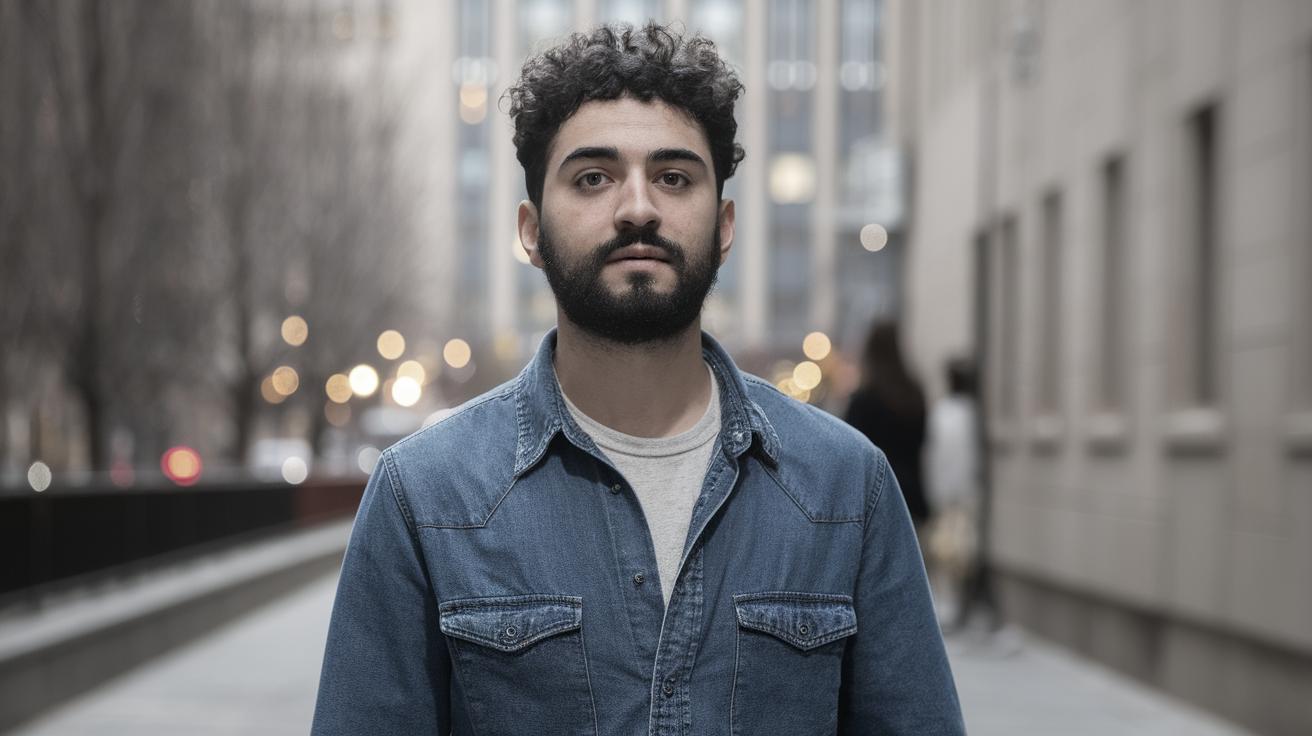
Mohsen Mahdawi Case: A Reflection on Free Speech and Political Climate
The recent detention of Columbia student Mohsen Mahdawi has sparked widespread debate on the intersection of free speech rights, citizenship, and the current political climate in the United States. As national and international attention focuses on this case, critical questions arise about the role of the First Amendment, the implications for students and citizens, and the broader political maneuvers at play. This blog post examines these issues through the lens of legal precedents, societal impacts, and the reactions from advocacy groups and political figures. By exploring the multifaceted nature of this situation, we aim to understand how an individual case reflects larger systemic concerns, highlighting areas for introspection and potential reform.
National
The arrest of Mohsen Mahdawi, a student pursuing higher education at Columbia University, has reverberated across the nation, highlighting the fragility of civil liberties in today’s complex political environment. The issue transcends the boundaries of individual rights, touching upon the collective consciousness of a nation that prides itself on freedom and justice. With universities traditionally serving as bastions of free thought and open discourse, any threat to these foundational principles is cause for concern and signals potential authoritarian shifts.
In recent months, cases like Mahdawi’s have become more prevalent, with increased reports of student arrests that appear politically motivated. This pattern has drawn criticism from civil rights organizations and advocates who see such actions as emblematic of a disturbing trend where educational spaces once heralded for fostering critical debate are now sites of intimidation and censorship.
The State of the First Amendment
Central to the discussion is the state of the First Amendment in the current socio-political context. While the United States Constitution enshrines the right to free speech, the interpretation and implementation of this right frequently spark conflict, especially in contentious political climates. Concerns have been raised that administrative and legal actions against students like Mahdawi could erode these foundational protections, creating a chilling effect on free expression across academic institutions.
First Amendment scholars argue that such cases highlight a dangerous trajectory where dissent might be misconstrued as disloyalty, warranting legal repercussions. Universities are increasingly caught at this crossroads, needing to balance safety and scrutiny with the preservation of open discourse, maintaining an environment where critical, albeit uncomfortable, conversations can thrive.
‘Citizenship won’t save you’: Free speech advocates say student arrests should worry all
The motto “Citizenship won’t save you” has become a rallying cry among free speech advocates, encapsulating the belief that current legal trends transcend individual citizenship status. This statement reflects the growing unease that even native-born citizens are not immune to state overreach when expressing controversial or minority viewpoints.
Advocates argue that Mahdawi’s detention underscores broader systemic issues that threaten all community members, suggesting that a passive stance could lead to further erosion of rights. They stress the importance of public awareness and legal vigilance to ensure that precedents set in cases like Mahdawi’s do not establish a framework that normalizes infringements on speech and personal freedoms.
Trump exploiting antisemitism fears to undermine rule of law, warns Jewish coalition
Amidst these legal and constitutional debates, political figures have been accused of exploiting societal fears to consolidate power, with former President Trump’s rhetoric often cited as particularly inflammatory. The Jewish coalition has voiced concerns that scapegoating and fearmongering tactics, particularly around antisemitism, could destabilize democratic principles by encouraging divisive and reactionary legal measures.
Such warnings from Jewish communal organizations highlight the delicate balance between addressing legitimate concerns over hate speech and not allowing such fears to justify broader erosions of civil liberties. It is crucial to identify when political maneuvering exploits societal anxieties to distract from systemic deficiencies, risking the subversion of due process in favor of populist agendas.
Next Steps
| Aspect | Details |
|---|---|
| National Context | Mohsen Mahdawi’s arrest reflects wider concerns about civil liberties and political influence on freedom of expression, with universities becoming battlegrounds for these principles. |
| First Amendment Challenges | Legal interpretations of the First Amendment are being tested, with fears of a chilling effect on academic freedom and dissenting voices gaining prominence. |
| Widespread Advocacy Concerns | Free speech advocates stress implications for all citizens, highlighting the need for proactive defense of rights that may be at risk regardless of citizenship status. |
| Political Manipulations | The use of societal fears, including antisemitism, by political figures to potentially undermine due process and democratic norms warrants caution and scrutiny. |

