
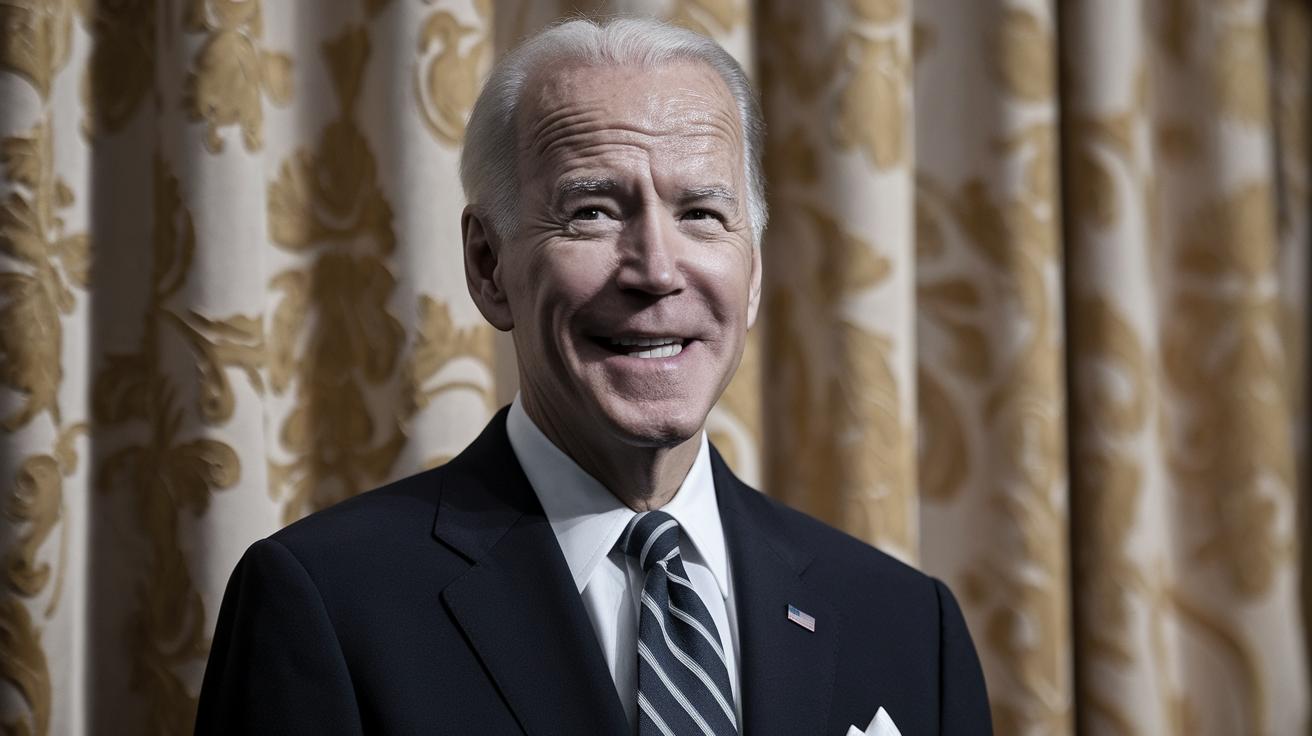
Joe Biden and Clarence Thomas: A Complex Political Relationship
The relationship between Joe Biden and Clarence Thomas is a tapestry woven with historical controversies, political conflicts, and recent judicial developments. This blog post delves into key events and actions that have shaped their interaction over the years. From the high-profile Anita Hill hearings in the early 1990s to more recent events, such as Ginni Thomas’ involvement in the 2020 election and the controversial Roe v. Wade ruling, the paths of Biden and Thomas continue to influence American politics. Additionally, revelations about luxury trips funded by a GOP donor, involving Justice Thomas, add another layer of complexity. Let’s explore these pivotal moments in detail.
What happened between Anita Hill and Clarence Thomas: A Summary
The Anita Hill and Clarence Thomas hearings were a landmark moment in U.S. political history. In 1991, Clarence Thomas was nominated to the Supreme Court by President George H. W. Bush. His confirmation process took an unexpected turn when Anita Hill, a law professor at the University of Oklahoma, came forward with allegations of sexual harassment against him. Hill testified before the Senate Judiciary Committee, which was chaired by then-Senator Joe Biden. Her testimony detailed incidents she alleged occurred while she worked with Thomas.
The hearings were marked by intense scrutiny and public spectacle. Hill faced a barrage of questions, while Thomas vehemently denied the allegations, labeling the hearings a “high-tech lynching.” Biden and the committee’s handling of Hill’s testimony drew criticism, as many felt she was not treated with the seriousness and respect deserved. The confirmation hearings ultimately resulted in Thomas being appointed to the Supreme Court, a decision that stirred debates on gender, race, and power dynamics in America.
Ginni Thomas’ Efforts to Thwart the 2020 Election
Ginni Thomas, the wife of Justice Clarence Thomas, emerged as a significant figure in the political landscape surrounding the 2020 presidential election. Known for her conservative activism, Ginni Thomas was reportedly involved in efforts to overturn the election results following President Joe Biden’s victory. Text messages and emails revealed her communication with key figures in attempts to challenge the electoral outcome.
These revelations raised questions about potential conflicts of interest and the impartiality of the judiciary, given her proximity to a sitting Supreme Court Justice. As the Biden administration took office, these efforts came under increased scrutiny, highlighting the complex interplay between personal alliances, political activism, and judicial integrity. The implications of her actions continue to be a subject of legal and ethical debate, illustrating the far-reaching impact of political and personal networks in American governance.
Biden Warns of ‘Extreme and Dangerous Path’ After Roe v. Wade Ruling
The Supreme Court’s decision to overturn Roe v. Wade was met with strong opposition from President Joe Biden, who characterized the ruling as leading the nation down an “extreme and dangerous path.” In his televised remarks, Biden underscored the ruling’s potential to strip away longstanding reproductive rights, emphasizing the impact on women’s health and personal freedoms.
This decision, influenced by a Supreme Court with multiple conservative appointees including Justice Thomas, marked a pivotal shift in the judicial landscape. Biden’s response highlighted the urgent need to safeguard constitutional rights amidst a backdrop of judicial activism. His administration vowed to explore legislative and executive avenues to protect reproductive rights, galvanizing supporters to mobilize for change at both state and federal levels. This ruling serves as a stark reminder of the profound impact judicial decisions have on societal norms and individual rights.
Thomas Under Fire Over Luxury Trips Funded by GOP Donor
Justice Clarence Thomas recently faced criticism over luxury trips reportedly funded by a prominent Republican donor. Investigative reports revealed that Thomas and his wife, Ginni, had accepted extravagant vacations and gifts from the donor, sparking questions about ethical standards and judicial propriety. Critics argue that such ties could undermine public trust in the impartiality of the judiciary.
The controversy has reignited calls for enhanced transparency and accountability within the judicial branch. As the ethics of Supreme Court justices come under scrutiny, there is growing advocacy for clear guidelines on gift acceptance and financial disclosures. These revelations add another layer to the already complex narrative surrounding Justice Thomas, inviting broader discussions on the intersection of personal relationships and judicial ethics in the nation’s highest court.
Next Steps
| Event | Description |
|---|---|
| Anita Hill Hearings | Clarence Thomas’ Supreme Court confirmation hearings where Anita Hill accused him of sexual harassment, raising debates on gender and power dynamics. Joe Biden, as chair of the Judiciary Committee, faced criticism for handling the proceedings. |
| Ginni Thomas and 2020 Election | Ginni Thomas involved in efforts to overturn the 2020 presidential election results, raising ethical concerns due to her ties with Justice Thomas. |
| Roe v. Wade Overturning | Biden criticized the Supreme Court’s decision to overturn Roe v. Wade, warning of the potential erosion of reproductive rights under a conservative judiciary. |
| Thomas’ Luxury Trips | Reports of Clarence Thomas’ luxury trips funded by a GOP donor led to scrutiny over judicial ethics and calls for more transparency. |