
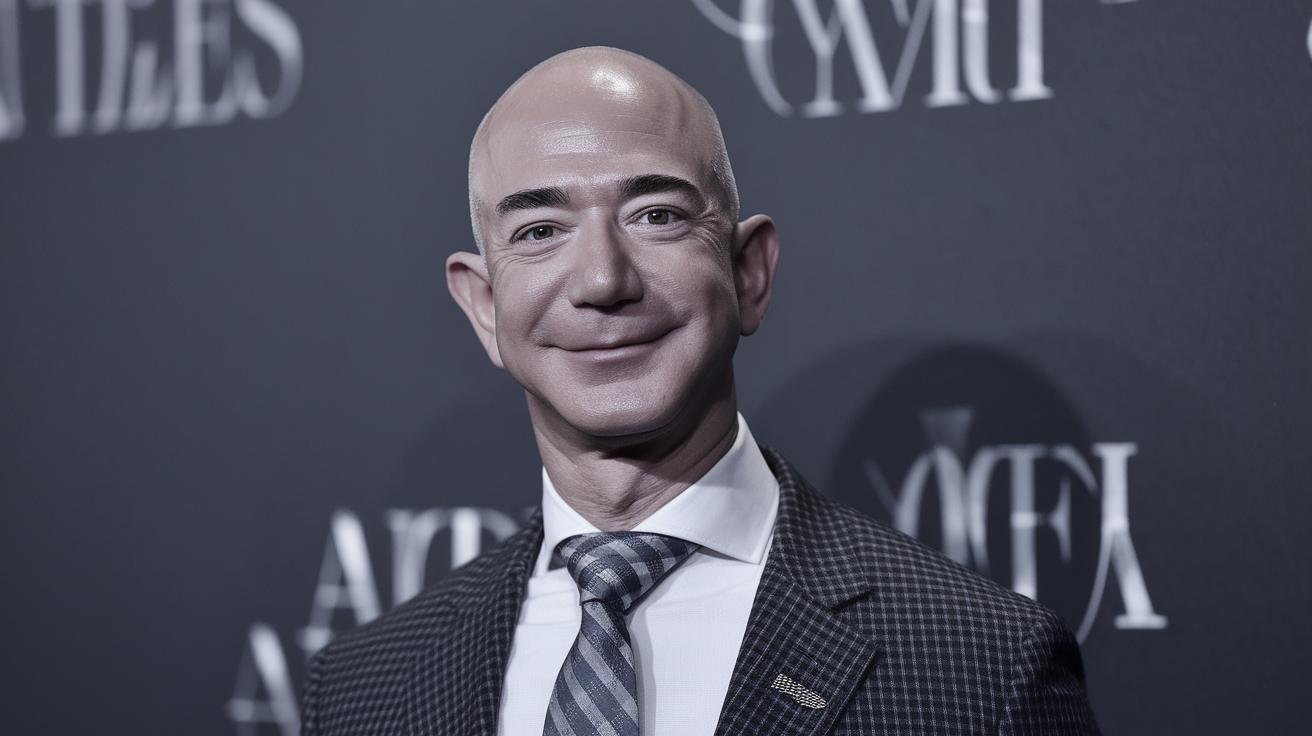
Is Jeff Bezos a Democrat or Republican?
The political affiliations of influential figures often pique public interest, especially when it comes to individuals like Jeff Bezos, whose impact on the economy and media landscape is undisputed. This post delves into various aspects of Bezos’ potential political leanings and behaviors, exploring his interactions with the media, his influence on journalism, and the implications of his decisions surrounding The Washington Post. We’ll examine how Bezos’ professional decisions may or may not offer insight into his personal political stance, and we’ll consider whether Bezos is an ideal steward for such a significant media platform. Here, we explore the intricate relationship between Bezos, media integrity, and the political sphere.
Media
When scrutinizing Jeff Bezos’ political affiliations, his ownership of The Washington Post inevitably surfaces. As a powerful media figure, his influence is crucial in shaping narratives. However, some argue that his political stance isn’t inherently clear, suggesting a potential motive to keep his affiliations ambiguous, thus maintaining broader readership appeal and editorial freedom. Despite speculation, Bezos has seldom publicly aligned himself with either major political party, maintaining a level of neutrality expected from a media owner of such stature.
The relationship between Bezos and the media extends beyond ownership. His interactions and views on media’s role in society further fuel debate. While his ownership of The Washington Post might suggest a liberal inclination, others argue this decision could stem more from business acumen than political alignment. How Bezos perceives the media’s role in democracy, and how that manifests in his business decisions, remains a focal area for analysts attempting to unravel his political inclinations.
Did the ‘L.A. Times’ and other news outlets pull punches to appease Trump?
During Donald Trump’s presidency, the media’s role and integrity were frequently questioned. It led some critics to wonder whether significant outlets like The L.A. Times were softening their critiques due to pressure or for appeasement purposes. The question then extended to publications under Bezos’ umbrella, with critics querying whether The Washington Post adjusted its tone or content to align with broader corporate strategies or political considerations, thus reflecting on Bezos’ political stance.
It’s essential to contextualize how Bezos’ business aptitude intersects with the political climate. Under his ownership, The Washington Post maintained a balance between rigorous journalism and the demands of operating within a polarized media landscape. Whether this reflects a deliberate strategy to avoid partisan conflicts or a more commercially driven effort to retain a wide readership is open to interpretation, raising deeper questions about media autonomy amidst political pressures.
Bezos: “inadequate planning” not “intentional strategy”
In response to criticism regarding the continuity of impartiality at The Washington Post, Bezos emphasized the significance of sound planning over strategic political maneuvering. He acknowledged that any perceived political bias is often a consequence of complex operational challenges rather than deliberate alignment with any political ideology, be it Democrat or Republican.
This stance highlights Bezos’ keen focus on the operational and strategic goals within his businesses. By placing emphasis on logistical and strategic soundness over political stratagem, Bezos attempts to alleviate concerns about his media influence being wielded as a political tool. This approach reflects his broader business philosophy, focusing on process and innovation rather than overt political partisanship.
Media
The broader media ecosystem offers further insight into Bezos’ political positioning. As a player in an intricate media space, Bezos often finds himself navigating issues of independence, journalistic integrity, and corporate interests. The intense scrutiny his media ventures receive speaks to the complex intersection between his business ambitions and potential political preferences.
Bezos’ media ownership extends beyond simply owning a journalistic enterprise; it informs debates on whether his approach serves broader political or ideological aims. Many argue that Bezos’ role is primarily economic, focused on innovation within media rather than advocacy. This neutral positioning can serve various interests, substantiating or countering claims of political bias based on differing interpretations of his objectives.
Jailed reporters, silenced networks: What Trump says he’d do to the media if elected
The tense relationship between Donald Trump and mainstream media highlights the critical role of journalistic freedom. Bezos’ presence in this environment inevitably raises questions about how he positions his media interests in response to potential political pressures or threats. The implications of Trump’s media criticisms necessitated businesses like The Washington Post to assert their journalistic autonomy and integrity.
In such a scenario, Bezos’ leadership faced both challenges and opportunities to reaffirm The Washington Post’s commitment to journalistic principles amidst external scrutiny. The ordeal underscores Bezos’ stance on media independence from political influence, spotlighting his potential resistance to partisan pressure, despite ambiguous personal political allegiances.
Resignations follow Bezos’ decision
Throughout Bezos’ tenure as a media owner, several high-profile resignations at The Washington Post were attributed to strategic differences. Critics often interpret these movements as indicators of political divergence between Bezos and editors, suggesting underlying tensions regarding editorial direction and potential political influences.
Such resignations are frequently seen as battlegrounds for media autonomy and insights into possible political exploitations. Detractors argue that these exits could illustrate conflicts between journalistic freedoms and corporate directives or purported political inclinations associated with Bezos’ proprietorship.
Questions about Bezos’ timing and motives
As a shrewd business leader, Bezos’ timing and motives behind noteworthy decisions are often scrutinized for political and fiscal implications. Whether these decisions are guided by economic pragmatism or align with wider political sentiments poses critical questions about his media ventures’ neutrality.
Observers frequently speculate how timing aligns with broader political or economic landscapes, interpreting such actions either as points of political alignment or purely strategic maneuvers. This dichotomy challenges any assumption about Bezos’ political standing, urging closer examination of the interplay between business strategy and perceived political tact.
Bezos: ‘I am not an ideal owner of The Post.’
Jeff Bezos himself once acknowledged his nontraditional path to owning The Washington Post, suggesting that he might not be the archetype for media ownership attributed to journalistic heritage. This candid admission echoes through debates about his suitability as a media proprietor and how it reflects on his political insight or stance.
The acknowledgment of his unconventional ownership speaks volumes of his approach—innovative, business-first, and less traditional. It challenges conventional narratives of media owners as political influencers and underscores his prioritization of economic vitality and journalistic innovation over direct partisan engagement.
Final Thoughts
| Topic | Summary |
|---|---|
| Media | Examines Bezos’ influence and perceived neutrality in media ownership. |
| L.A. Times & Trump | Explores allegations of tempered media critiques of Trump and broader political implications. |
| Bezos’ Strategy | Distinguishes Bezos’ focus on planning over political maneuvering. |
| Media Dynamics | Analyzes Bezos’ role and interests in the broader media ecosystem. |
| Trump & Media | Considers how Bezos navigates media independence amid Trump’s criticisms. |
| Resignations | Discusses what resignations at The Washington Post signal about potential political tensions. |
| Timing & Motives | Questions whether Bezos’ business decisions are politically motivated or strategically timed. |
| Ownership Suitability | Reflects on Bezos’ candid admission of his atypical path to media ownership. |