
Why Does Trump Want Greenland?
During his presidency, Donald Trump sparked discussions worldwide with his interest in purchasing Greenland. This unexpected proposition led many to ponder Greenland’s significance to the United States. This article delves into Greenland’s geographical and political status, exploring the reasons behind its importance to America and the possibilities of the United States extending its influence there. Considering the perspectives of Greenland’s people adds depth, framing a comprehensive view of this intriguing geopolitical topic. Through this examination, we aim to better understand the motivations behind Trump’s interest and the broader implications for U.S. foreign policy and Greenland’s sovereignty.
Where is Greenland?
Greenland, the world’s largest island, is strategically situated between the Arctic and Atlantic Oceans. Its vast expanse of ice-covered land lies to the northeast of North America, directly east of the Canadian Arctic Archipelago. The island’s unique geographical position bestows upon it a significant geopolitical presence, serving as a gateway between Europe and North America.
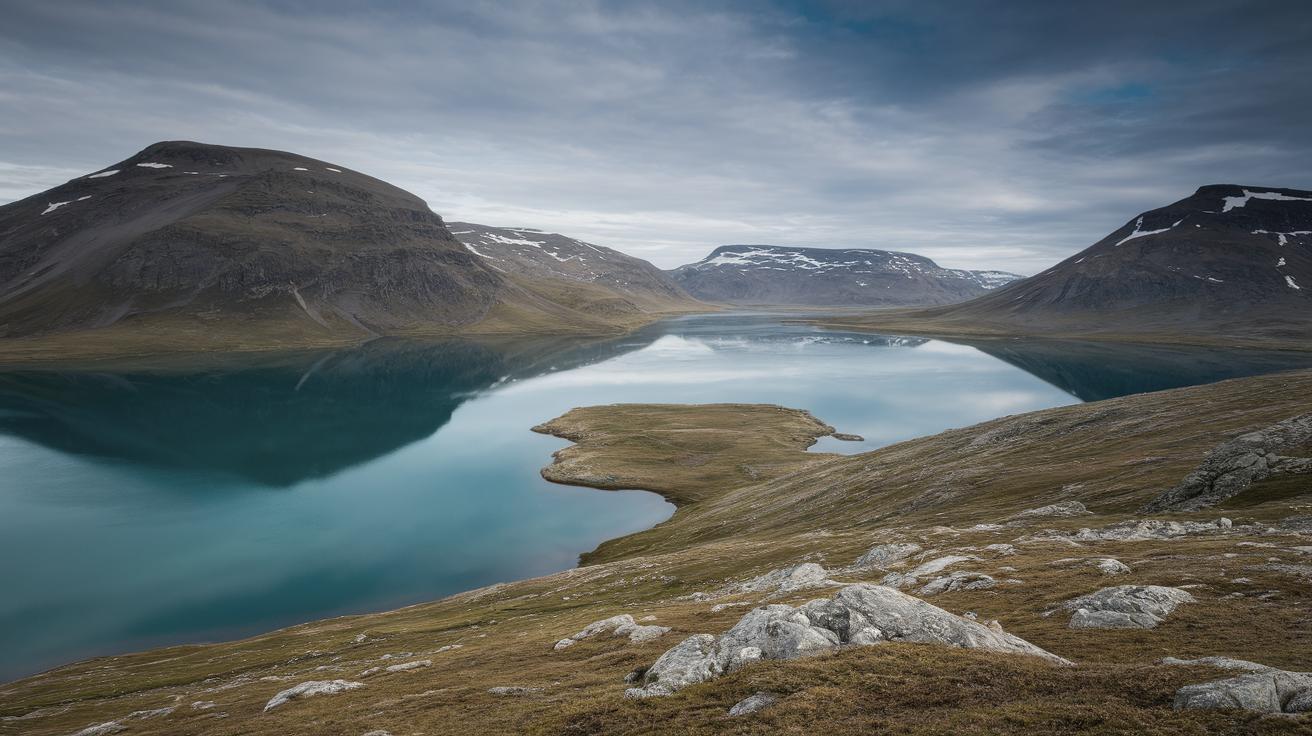
Though it is often associated with icy wilderness, Greenland’s topography is as diverse as it is expansive. The ice sheet covers approximately 80% of its surface, creating an extensive and stark landscape interspersed with deep fjords and towering cliffs. This environment offers a majestic yet challenging habitat for its sparse population, currently numbering around 56,000, primarily of Inuit descent. Its remote and icy location has not hindered its geopolitical relevance on the world map.
What is Greenland’s Status?
Politically, Greenland is an autonomous territory within the Kingdom of Denmark, having been granted self-government in 1979 and expanded powers in 2009. Although Denmark oversees its foreign affairs and defense, Greenland manages its legislative and executive matters, shaping its paths for economic development and cultural preservation.
Despite its autonomy, Greenland remains intrinsically linked to Denmark, benefiting from significant annual subsidies. These funds are crucial for sustaining the island’s economy, which is heavily dependent on fishing and, increasingly, tourism. The gradual move towards self-sufficiency has prompted Greenland to explore its vast mineral resources, including rare earth metals, which are crucial in technology and defense sectors.
Why Does Greenland Matter to the US?
Greenland holds strategic importance for the United States primarily due to its location. As the Arctic gains prominence in global affairs, Greenland’s potential as a hub for military and navigation operations becomes more pronounced. The Thule Air Base, a critical U.S. military installation, exemplifies Greenland’s strategic military value in monitoring polar regions and offering a vantage point for missile defense.
Moreover, Greenland’s abundance of natural resources presents lucrative economic opportunities. Its reserves of rare earth elements are particularly enticing, offering a potential alternative source to China, which dominates the global supply. As the Arctic ice recedes due to climate change, new shipping routes are emerging, presenting economic and geostrategic advantages that the U.S. is keen to capitalize upon.
Does the US Want Full Control of Greenland?
The notion of the U.S. seeking control over Greenland harks back to historic attempts, including Harry S. Truman’s post-World War II offer to purchase the island. Trump’s interest, however unconventional, was perceived as part of a long-standing strategic vision to secure U.S. interests in the Arctic.
While the outright acquisition of Greenland raised eyebrows, it spotlighted the broader strategic ambitions of integrating Greenland further into U.S. economic and security frameworks. The focus remains on cooperation with Denmark and Greenland’s autonomous government to address shared security and economic interests rather than pursuing formal sovereignty over the island.
What Do the People of Greenland Think?
The people of Greenland, whose voices are crucial in this discussion, have expressed skepticism and concern about foreign interest in their homeland. Many Greenlanders prioritize maintaining their cultural identity and political autonomy, valuing the self-governance that took decades to achieve. Any conversations about foreign influence, including U.S. interest, are tempered by the importance of respecting Greenland’s sovereignty and cultural heritage.
Moreover, the potential influx of foreign investment and consequential economic transformation poses both opportunities and challenges. While investment could boost local economies and infrastructure, it also risks environmental degradation and cultural disruption. Thus, the population’s aspirations towards sustainable development and social well-being remain central in this geopolitical discourse.
Next Steps
| Topic | Key Points |
|---|---|
| Where is Greenland? | Greenland, located between the Arctic and Atlantic Oceans, is the world’s largest island. It serves as a bridge between Europe and North America. |
| What is Greenland’s Status? | Greenland is an autonomous territory under Denmark, enjoying self-government but relying significantly on Danish subsidies. It is exploring its mineral wealth for development. |
| Why Does Greenland Matter to the US? | Strategic location for military and navigation operations; rich in natural resources, particularly rare earth elements; emerging Arctic shipping routes. |
| Does the US Want Full Control of Greenland? | While historic interest exists, the focus is on strengthening strategic partnerships rather than acquiring sovereignty, centering on economic and security cooperation. |
| What Do the People of Greenland Think? | Greenlanders emphasize self-governance, cultural preservation, and cautious engagement with foreign investments to balance economic opportunities and social integrity. |