
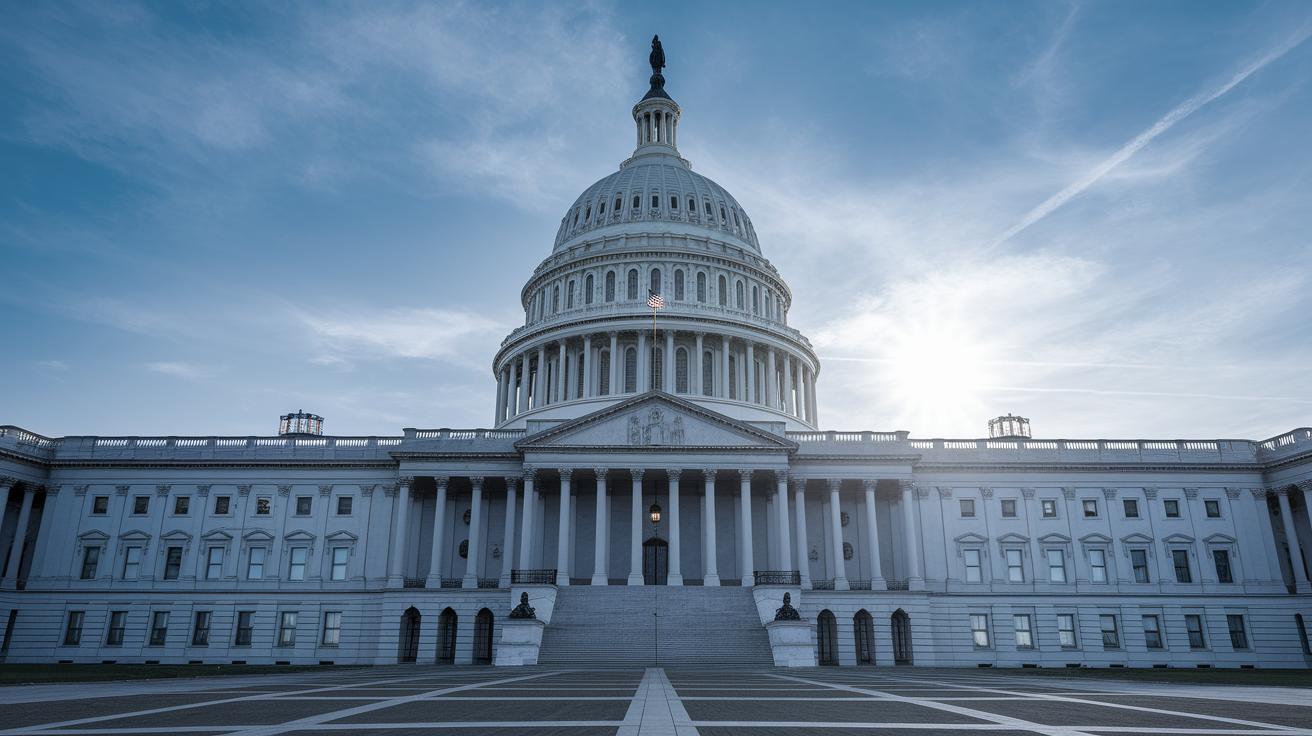
Latest Developments from the United States House of Representatives
The United States House of Representatives, a pivotal institution in American democracy, continues to be a hub of activity and leadership. In this in-depth blog post, we explore significant updates from the House, focusing on the current Speaker, committee leadership, and the key players from both the Republican and Democratic parties. With Rep. Mike Johnson stepping in as Speaker, new dynamics unfold amidst an evolving political landscape. We’ll delve into the roles and strategies of the Republican and Democratic leadership teams, offering an insightful look at their priorities and their influence on forthcoming legislative agendas. This overview provides a comprehensive understanding of the latest shifts in House leadership and what they portend for the future of U.S. legislation.
Speaker of the House: Rep. Mike Johnson
Rep. Mike Johnson, a seasoned politician with a reputation for strong conservative values, recently assumed the position of Speaker of the House. His rise to this influential role marks a new chapter in House leadership, poised to shape legislative priorities and the broader political discourse in the United States. Known for his integrity and commitment to his constituents, Johnson is expected to align the legislative agenda closely with conservative principles, focusing on economic growth, national security, and constitutional conservatism.
As Speaker, Johnson stands as a unifying figure within the Republican Party, balancing the diverse viewpoints within his caucus while maintaining a steady focus on party objectives. His leadership style is marked by collaboration and strategic negotiation, aiming to bridge gaps and foster legislative productivity. Johnson’s tenure as Speaker will likely emphasize transparency, accountability, and a return to traditional governance, aiming to restore public trust in Congress.
Republican Leadership
Majority Leader
The Majority Leader plays a crucial role in setting the legislative agenda and steering bills through the House. The current Majority Leader, a stalwart of the Republican Party, brings a wealth of experience and a strategic mindset to the position. Responsible for coordinating the party’s legislative strategy, the Majority Leader works closely with committee chairs and party members to ensure the successful passage of key bills.
This leadership role requires adept negotiation skills and a deep understanding of the legislative process. As the voice of the majority party on the House floor, the Majority Leader articulates the party’s priorities and engages in dialogue with counterparts across the aisle to find common ground on critical issues.
Majority Whip
The Majority Whip is vital for maintaining party discipline and ensuring that party members vote in line with its objectives. Through careful communication and relationship-building, the Majority Whip tracks voting intentions and rallies support for legislation that aligns with party goals.
By developing close connections with individual members, the Majority Whip can address concerns and broker compromises when needed. This role is essential in maintaining the cohesion and effectiveness of the Republican majority, ensuring their legislative agenda moves forward without significant obstacles.
Republican Conference Chairman
The Republican Conference Chairman facilitates the unity of the party, coordinating its message and ensuring members are informed on key issues and strategies. This role involves organizing conferences and meetings where members can discuss policy priorities and develop a cohesive approach to legislation.
By fostering an environment of cooperation and communication, the Conference Chairman plays a critical part in aligning the party’s legislative efforts and amplifying its message to voters. This position is crucial for maintaining the ideological cohesion of the Republican Party within the House.
Republican Policy Committee Chairman
The Republican Policy Committee Chairman leads the formulation of party policies and legislative initiatives. By researching, analyzing, and advocating for policies that reflect party values, this role acts as a think-tank within the House, guiding policy development and innovation.
As policy needs evolve, the Committee Chairman ensures the party’s platform remains relevant and responsive to current challenges, influencing both legislative initiatives and broader national discourse.
Democratic Leadership
Democratic Leader
As the head of the Democratic caucus, the Democratic Leader navigates the complexities of leading the minority party, focusing on rallying the caucus around critical issues and countering the majority party’s legislative agenda. With a deep commitment to democratic principles and social justice, the leader steers the party’s strategic direction.
The Democratic Leader works to uphold the party’s values and articulate its vision, engaging in negotiations with the majority party and collaborating with members to craft legislation that addresses the needs of constituents, despite the challenges of minority status.
Democratic Whip
The Democratic Whip is responsible for managing party discipline and marshaling support for the Democratic position on key votes. Through diligent communication and relationship management, the Whip identifies potential dissenters within the party and works to address their concerns.
The role demands astute political acumen and the ability to negotiate effectively, ensuring that the Democratic caucus presents a united front on important legislative issues. As the party’s tactical coordinator, the Whip’s success in this role is essential for the party’s legislative influence.
Democratic Caucus Chairman
Leading the organizational aspects of the Democratic caucus, the Caucus Chairman facilitates discussions and events to keep members informed and involved in policy decisions. This role emphasizes collaborative strategy development, ensuring the party is responsive and unified.
The Caucus Chairman plays a key role in devising tactical responses to Republican initiatives and in promoting Democratic policies and priorities to the public, acting as a linchpin in Democratic communications and strategy.
Democratic Caucus Vice Chair
The Vice Chair supports the Caucus Chairman in managing the party’s internal discussions and strategy sessions, playing a complementary role in fostering member engagement and unity. This role involves coordinating meetings, distributing information, and handling logistics.
The Vice Chair contributes to boosting morale and maintaining cohesion within the caucus, acting as a vital link between the leadership and rank-and-file members, ensuring their voices are heard in the decision-making process.
Assistant Democratic Leader
The Assistant Democratic Leader assists the party’s leadership team in developing and executing strategic initiatives. This role is key in formulating tactics and messaging that advance the party’s legislative goals and public persona.
By working closely with the Democratic Leader, the Assistant helps integrate members’ perspectives into the broader strategy, bolstering the party’s legislative efforts and influencing national discourse.
Future Prospects
| Role | Description |
|---|---|
| Speaker of the House: Rep. Mike Johnson | Leader of the House, responsible for legislative priorities and unity within the majority party. |
| Republican Leadership | Comprises key figures such as Majority Leader and Whip who coordinate legislative strategy and maintain party discipline. |
| Democratic Leadership | Led by the Democratic Leader, focusing on minority party strategy and countering majority party initiatives. |
As the political landscape of the United States continues to evolve, the roles and strategies of the House leadership will remain crucial in guiding the country’s legislative future. Observers and constituents alike eagerly anticipate how these leaders will navigate the challenges ahead and shape the policies that impact the nation.