
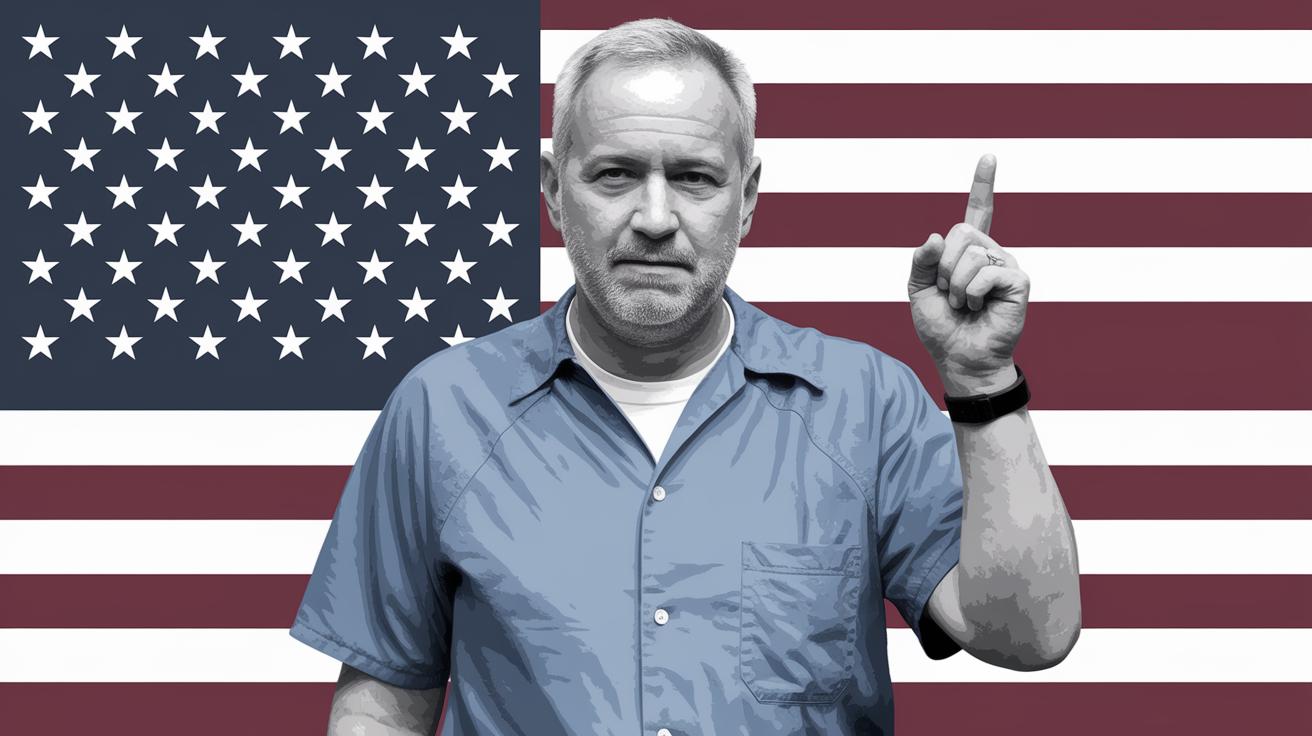
Running for President from Prison: A Legal Conundrum
The concept of someone running for the highest office in the United States while being incarcerated seems unfathomable, yet it is legally plausible. Historically, the U.S. Constitution does not explicitly prohibit a candidate’s run for presidency from prison, raising intriguing questions about the intersection of law, politics, and ethics. This article delves into the legalities surrounding this issue with a focus on former President Donald Trump. We will explore whether his legal predicaments, spearheaded by ongoing investigations, could impact his eligibility and candidacy. We’ll also discuss the potential for appeals, the role of key figures in his case, and touch on historical precedents involving other figures linked with legal controversies. Delving into the intricacies of the legal system, readers will uncover how the American judicial and political landscapes could navigate this unprecedented scenario.
Can he still run for president?
In the United States, the Constitution outlines specific requirements for presidential candidates, including the necessity of being a natural-born citizen, at least 35 years old, and a resident for 14 years. Notably absent from these requirements is the candidate’s legal status. This oversight leaves room for interpretation regarding whether someone incarcerated can run for the presidency. Legal experts suggest that running for president from prison is not outrightly illegal, as federal law does not expressly prohibit it. This loophole invites significant discourse about democratic principles, legal norms, and ethical standards.
Historically, there have been attempts by incarcerated individuals to run for federal office, most notably Eugene V. Debs, who ran for president in 1920 while imprisoned for anti-war activism. Debs received nearly a million votes, underscoring that imprisonment, while a hindrance, is not necessarily a barrier to candidacy. Trump’s potential run from prison would undoubtedly test the resilience and adaptability of the democratic process, pushing the boundaries of current legal interpretations.
What happens to Trump now?
Donald Trump’s legal challenges have amassed public and media attention as investigations into his business dealings and political conduct press forward. As Trump navigates these legal hurdles, questions arise about their implications on his political aspirations. The outcomes of these investigations could hinge on matters such as campaign finance violations, tax evasion, and other alleged misconduct, which carry varied legal consequences.
If charged and convicted, Trump could face significant penalties, though actual imprisonment would depend on the nature and severity of the offenses. Wealth and influence have historically swayed legal outcomes, suggesting that any proceedings against Trump might be protracted and complex. Despite these challenges, Trump retains a substantial political following, which could lend momentum to any potential campaign, regardless of legal status.
What would be the grounds for appeal?
Legal appeals are a cornerstone of the American judicial system, providing a mechanism for defendants to challenge convictions or sentences they deem unfair. If Trump were to be convicted, his legal team would likely explore extensive grounds for appeal, scrutinizing procedural errors, evidential discrepancies, or perceived judicial bias during trial.
Appeals often hinge on demonstrating that a legal error substantially influenced the trial’s outcome or the rights of the accused. Trump’s legal strategy might emphasize constitutional protections, seeking to overturn any conviction through higher courts. Leveraging potential ambiguities in the law could prove pivotal in his post-conviction maneuvers aimed at overturning or reducing any adverse judicial decisions.
Can Trump go to prison?
The possibility of Donald Trump serving time in prison is contingent on the outcome of ongoing legal processes. While the former president is embroiled in several legal battles, a conviction is necessary before any prison sentence could be imposed. The nature of white-collar crimes, which Trump’s charges may align with, often leads to legal resolutions that can include fines, probation, or incarceration.
However, the unique landscape of American legal and political dynamics could influence whether Trump truly serves time. The intersection of privilege, influence, and a fiercely loyal political base means Trump, if convicted, might face a lengthy battle that could defer imprisonment. Historical precedents show that while imprisonment of high-profile individuals is rare, it is not impossible, underscoring that a Trump incarceration, while complex, remains within the realm of possibility.
Can he vote?
Incarceration and voting rights in the United States present a complex mosaic, varying significantly across states. Typically, prisoners are stripped of voting rights, though these can be restored post-release in many jurisdictions. For federal elections, including presidential races, voting regulations for incarcerated individuals fall under state jurisdiction.
In Trump’s specific case, if convicted and imprisoned, his voting rights would depend on his state of residency’s stance on felon voting. Some states disenfranchise all incarcerated individuals, while others allow voting during certain phases of imprisonment. The nuances of these laws underscore the broader debate on voting rights, civil liberties, and penal system reform in America.
Could he pardon himself?
The question of whether a president can pardon themselves remains untested and unprecedented in American history, generating considerable legal and academic debate. The U.S. Constitution grants presidents broad clemency powers, permitting pardons for federal offenses; however, it does not explicitly address self-pardons.
Legal scholars argue that a self-pardon could contravene fundamental principles of justice, namely that no one should be a judge in their own case. Should Trump face federal charges, he might attempt a self-pardon, sparking inevitable legal battles reaching the Supreme Court. Such a scenario would test constitutional interpretations and force jurisprudential exploration of executive powers’ limits.
Who is Juan Merchan, the judge in Trump’s case?
Judge Juan Merchan presides over one of the most scrutinized cases involving Donald Trump, thrust into the spotlight against a backdrop of political and legal drama. Known for his meticulous legal approach and impartiality, Judge Merchan has adjudicated several high-profile cases, earning a reputation for maintaining courtroom decorum and fairness.
Appointed to the bench in [insert year if known], Merchan’s judicial philosophy emphasizes a balanced interpretation of the law, prioritizing justice over sensationalism. His involvement in Trump’s case places him at the center of an unfolding legal saga that will test judicial prudence and public confidence in the justice system. His rulings could shape pivotal moments in a case with far-reaching legal and historical implications.
Trump avoids taking the stand in hush-money case
A critical component of ongoing narratives around Trump’s legal engagements is his strategic decision-making, particularly his avoidance of testifying in the hush-money investigation. Such decisions often reflect calculated legal maneuvers aimed at minimizing potential liabilities or adverse outcomes.
Trump’s refusal to take the stand can prevent possible self-incrimination and provide his legal team greater control over the narrative. While silence in such a scenario might speak volumes, it illustrates a broader strategy to navigate legal complexities while maintaining public and political viability. The case continues to probe the depths of legal strategies employed within high-stakes litigations involving prominent figures.
Who is Stormy Daniels, and what happened with Donald Trump?
Stormy Daniels, an adult film actress, became a central figure in a scandal involving Donald Trump, which captured global media attention. Allegations surfaced that Daniels received hush money to keep silent about an alleged affair with Trump, sparking legal and ethical debates about campaign finance violations.
The events surrounding Daniels and Trump have far-reaching implications, intertwining issues of personal conduct, political ramifications, and legal boundaries. Amidst various lawsuits and public statements, Daniels remains a prominent symbol of the intricate dance between celebrity, politics, and the law, continuing to influence discourse well beyond the initial scandal.
Next Steps
| Topic | Summary |
|---|---|
| Running for President | Legal boundaries allow for candidacy from prison, challenging democratic norms. |
| Trump’s Legal Challenges | Ongoing investigations could impact his political pursuits amid complex legal proceedings. |
| Grounds for Appeal | Potential for appeals involves procedural errors or bias claims in high-stakes legal battles. |
| Potential Incarceration | While possible, imprisonment depends on trial outcomes and political strategies. |
| Voting Rights | Encompasses complex state regulations affecting incarcerated individuals’ voting eligibility. |
| Self-Pardon Debate | Constitutional ambiguity surrounds presidential self-pardoning capabilities. |
| Judge Juan Merchan | Oversees Trump’s case with a reputation for impartiality and legal fairness. |
| Hush-Money Case | Trump avoids testimony, highlighting strategic legal navigation in sensitive cases. |
| Stormy Daniels Scandal | Allegations involving Trump and Daniels spotlight legal, ethical, and political issues. |